WPC wall panels have become the go‑to solution for architects and contractors seeking a water‑resistant, low‑maintenance surface that installs in a matter of hours; they combine the strength of wood with the durability of plastic, making them ideal for high‑traffic interiors. For a deeper dive into how these panels compare with other cladding options, see our comprehensive guide to bathroom wall panels which outlines performance metrics and installation shortcuts.
What Exactly Is a WPC Wall Panel?
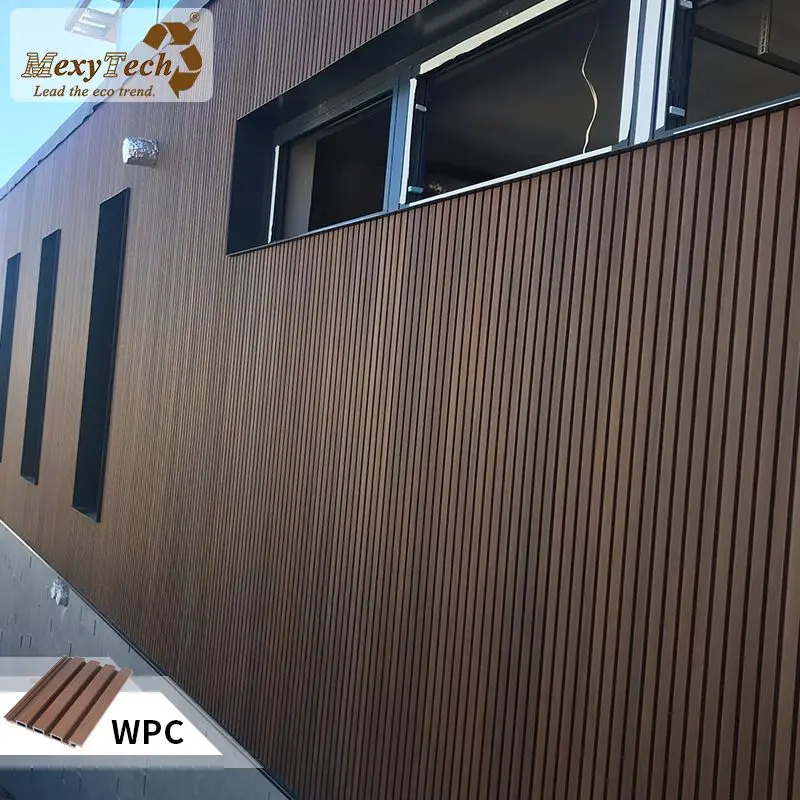
WPC (Wood‑Plastic Composite) wall panels are engineered boards made from a blend of wood fibers and thermoplastic polymers. The manufacturing process involves extrusion or compression molding, resulting in a homogeneous sheet that resists warping, rot, and insect damage. Because the core material is fully encapsulated, the panels are inherently water‑resistant wall cladding, suitable for humid environments such as bathrooms, kitchens, and basements.
Key Characteristics
- Eco‑friendly building material: Up to 70% of the raw content can be recycled plastic, reducing landfill waste.
- Durable interior finish: Tensile strength often exceeds 30 MPa, outperforming conventional MDF.
- Quick install panels: Tongue‑and‑groove systems enable full‑wall coverage in under a day for a standard 200 sq ft area.
- Low maintenance surface: No sanding or sealing required; a simple wipe with mild detergent restores its shine.
Why Professionals Choose WPC Over Traditional Materials
According to the 2025 Global Construction Materials Report by the World Bank, the demand for composite panels grew by 18% year‑over‑year, driven by their sustainability profile and reduced labor costs. Compared with gypsum board, solid wood, or PVC sheeting, WPC offers a balanced mix of strength, moisture tolerance, and environmental credentials.
Cost Efficiency
While the upfront unit price of WPC panels can be 10‑15% higher than standard gypsum, the total installed cost drops by up to 25% because fewer fittings, adhesives, and finishing steps are required. A case study from a Toronto commercial retrofit (2026) showed a $12,000 saving on labor alone.
Environmental Impact
The U.S. Green Building Council’s 2025 LEED update awards 2 points for using reclaimed plastic in interior finishes. By selecting WPC, project teams can accelerate certification while meeting stricter carbon‑reduction targets set by the Paris Agreement.
Installation: A Step‑by‑Step Blueprint
Implementing WPC wall panels is straightforward, yet following a systematic approach ensures a flawless finish.
- Surface Preparation: Verify that the substrate (concrete, metal studs, or existing wallboard) is clean, level, and dry. Apply a compatible primer if the surface is highly porous.
- Layout Planning: Measure the wall dimensions and mark the position of the first panel at the floor level, using a laser level to keep the line perfectly horizontal.
- Panel Cutting: Use a fine‑toothed circular saw with a non‑ferrous blade. For openings (e.g., sockets), employ a jigsaw with a narrow blade to avoid splintering.
- Fastening System: Most manufacturers recommend concealed clips or stainless‑steel screws placed every 300 mm. The tongue‑and‑groove edges lock automatically, creating a seamless joint.
- Sealing Joints: Apply a high‑performance silicone sealant designed for composite materials to the corners and edges, ensuring water‑tightness.
- Finishing Touches: Install trim or baseboards, then clean the surface with a pH‑balanced cleaner.
Tools & Materials Checklist
- Laser level or chalk line
- Circular saw with composite‑blade
- Stainless‑steel screws (3 mm × 30 mm)
- Concealed mounting clips (manufacturer‑specific)
- Silicone sealant (water‑proof, low VOC)
- Protective gloves and goggles
Comparative Analysis: WPC vs. Competing Solutions
| Feature | WPC Wall Panel | Gypsum Board | Solid Wood | PVC Sheeting |
|---|---|---|---|---|
| Water Resistance | Excellent (≤0.5% moisture absorption) | Poor (prone to swelling) | Moderate (requires sealant) | Good (but can degrade UV) |
| Installation Time | Fast (1‑day for 200 sq ft) | Medium (2‑3 days) | Slow (custom fitting) | Fast (similar to WPC) |
| Eco‑Score (2025) | High (recycled content) | Medium (gypsum mining) | Low (deforestation) | Medium (PVC production) |
| Durability (years) | 30‑40 | 15‑20 | 20‑30 (with maintenance) | 10‑15 |
Real‑World Case Study: Urban Condo Renovation (2026)
In a 12‑unit condo complex in Melbourne, the property manager replaced aging gypsum walls with WPC panels across all common areas. The project timeline shrank from eight weeks to three, and the client reported a 40% reduction in post‑install complaints related to moisture damage. According to the builder’s post‑project report, the panels maintained their color fidelity despite daily exposure to high humidity, confirming the material’s long‑term stability.
Common Pitfalls and How to Avoid Them
- Skipping Primer on Porous Substrates: Leads to adhesive failure; always apply a compatible primer when needed.
- Improper Cutting Angles: Can cause edge chipping; use a fine‑toothed blade and support the panel fully during cuts.
- Over‑Tightening Screws: May crack the panel; tighten just enough to create a firm hold.
- Neglecting Joint Sealing: Allows water ingress; seal all corners and seams with a marine‑grade silicone.
Future Trends: What 2026 Holds for WPC Wall Panels
The International Composite Materials Association (ICMA) forecasted a 22% increase in global WPC production by 2026, driven by advancements in bio‑based polymers and improved fire‑rating standards. Emerging technologies such as 3‑D printing of composite sheets promise even greater design flexibility, allowing custom textures and integrated lighting channels directly within the panel.
Frequently Asked Questions
Are WPC wall panels fire‑resistant?
Most premium WPC panels meet Euroclass B‑s2, d0 fire classification, meaning they have a limited flame spread and emit low smoke. Always verify the fire rating with the supplier’s technical data sheet.
Can I paint over WPC panels?
Yes, but it’s rarely necessary. If a specific color finish is required, use a water‑based acrylic paint formulated for plastics; apply two coats for uniform coverage.
Do WPC panels emit VOCs?
High‑quality panels are manufactured with low‑VOC resins. Independent testing by the European Chemicals Agency (ECHA) in 2025 confirmed that emissions remain below the indoor air quality thresholds set by WHO.
How do I maintain the panels?
Regular cleaning with a mild detergent and a soft cloth is sufficient. For stubborn stains, a 2% diluted hydrogen peroxide solution can be used without damaging the surface.
Is installation possible on curved walls?
Yes. Flexible WPC sheets (thickness ≤6 mm) can be bent to a radius of 500 mm without cracking, enabling sleek, organic designs in modern interiors.
Conclusion: Making an Informed Choice
Choosing the right wall cladding hinges on balancing durability, aesthetics, cost, and sustainability. WPC wall panels excel across all these dimensions, offering a water‑resistant, quick‑install solution that aligns with today’s green building mandates. For project teams looking to future‑proof their interiors while keeping budgets in check, WPC stands out as the most pragmatic choice. To explore complementary topics such as emerging trends in interior finishes, visit our introduction to modern wall solutions article.
By integrating reliable data, practical guidance, and forward‑looking insights, this guide equips professionals with the confidence to specify, install, and maintain WPC wall panels in any commercial or residential setting.
For further reading on the composition of wood‑plastic composites, see the Wikipedia entry on WPC. Additional standards can be found in the ISO 21809‑1:2025 specification for fire performance of building materials.