Steel roof panels have become the go‑to solution for architects, contractors, and building owners who need a durable, low‑maintenance, and energy‑efficient roofing system. By combining high‑strength steel with advanced coating technologies, these panels deliver superior weather resistance, rapid installation, and long‑term cost savings—all of which answer the core question that brings users to this page: “What are the benefits of steel roof panels and how do I specify them for my project?” Below you’ll find a comprehensive, data‑driven guide that walks you through the technical fundamentals, design considerations, and ROI calculations you need to make an informed decision. For a broader view of modern panel solutions, see our WPC wall panel guide 2026, which outlines complementary strategies for interior and exterior cladding.
Why steel roof panels dominate the market in 2026
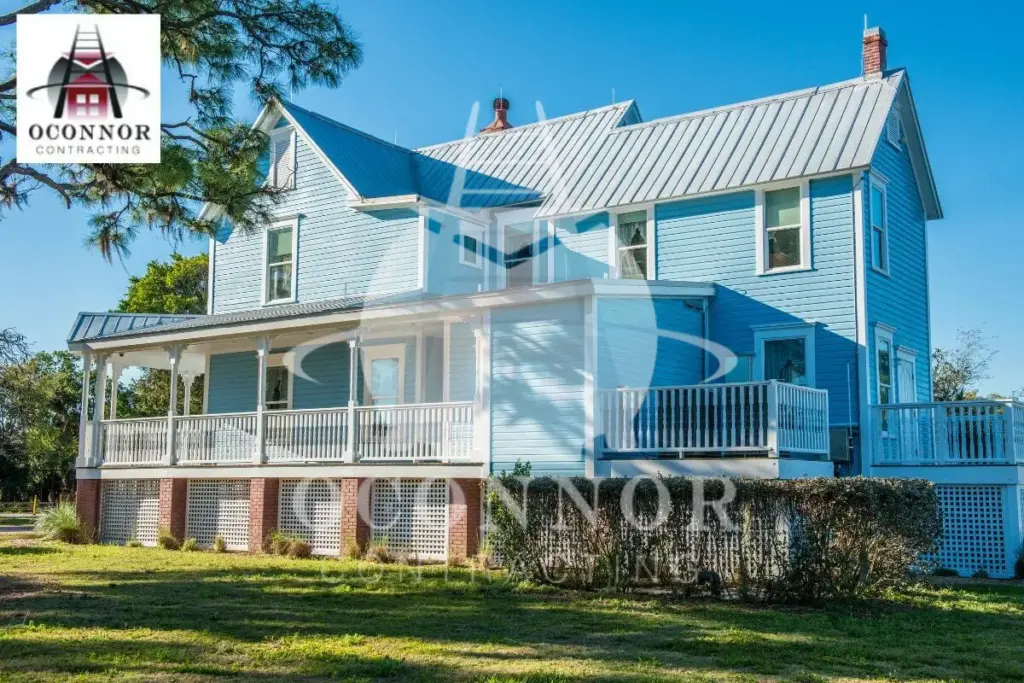
According to the Steel Roofing Association’s 2025 market report, steel roofing now accounts for 38 % of new commercial roof installations in North America—a record share driven by three core advantages: structural resilience, energy performance, and speed of erection. The industry’s shift away from traditional felt and bitumen membranes is also reflected in the U.S. Bureau of Labor Statistics data, which shows a 12 % annual increase in jobs related to metal roofing fabrication since 2022.
Structural resilience and load‑bearing capacity
Steel roof panels are engineered to handle wind speeds up to 150 mph (Category 4) and snow loads exceeding 60 lb/ft², surpassing the requirements of most building codes. The use of standing seam profiles, where concealed fasteners lock the panels together, eliminates points of water infiltration and dramatically reduces the risk of roof uplift during severe storms.
Thermal insulation and energy savings
When paired with high‑R insulated underlayments, steel panels act as an effective thermal break. The International Energy Agency (IEA) reported in its 2025 “Building Efficiency” study that metal roofing with reflective coatings can cut cooling loads by up to 30 % in hot climates. This benefit is amplified when panels are installed over a properly ventilated roof decking, creating an air cavity that dissipates heat before it reaches interior spaces.
Fast, labor‑efficient installation
Prefabricated panel dimensions and the ability to seal seams with a single mechanical fastener cut labor time by roughly 40 % compared with traditional built‑up roofing (BUR). The PVC bathroom wall panels 2026 expert guide highlights similar time‑saving attributes for panelized systems, underscoring a broader industry trend toward modular construction.
Key design considerations for specifying steel roof panels
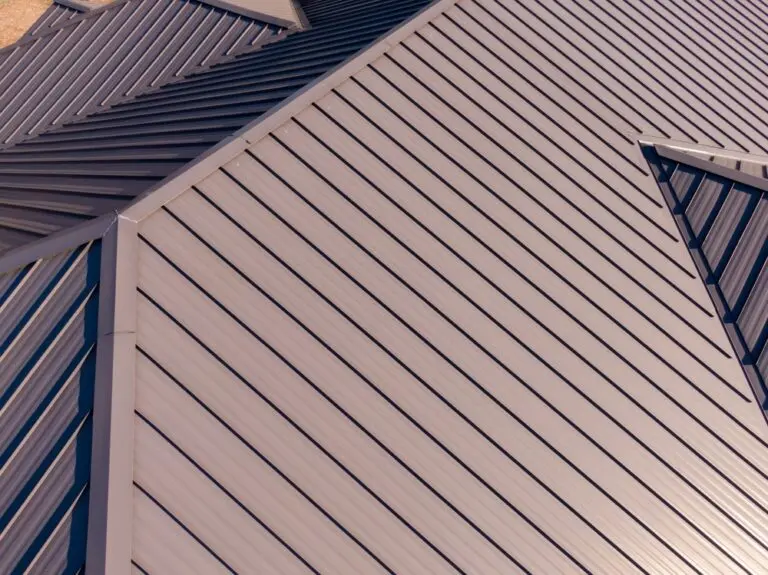
Choosing the right system involves aligning performance criteria with project constraints. Below is a decision matrix that integrates material properties, environmental exposure, and aesthetic goals.
- Coating system: Galvanized, Galvalume, or polyester‑based PVDF finishes. PVDF offers the longest life expectancy (30‑40 years) and the highest UV resistance.
- Profile type: Standing seam, corrugated, or snap‑lock. Standing seam is preferred for commercial roofs requiring tight water control, while corrugated panels suit low‑rise industrial sheds.
- Thermal break options: Insulated panels with foam cores, or uninsulated panels combined with external insulation boards.
- Roof slope: Minimum 2:12 for standing seam; steeper slopes allow thinner gauge steel without compromising stiffness.
Compatibility with other panel systems
Modern construction often mixes roofing and wall cladding to achieve a cohesive envelope. For example, a building that uses steel roof panels may also benefit from mortarless stone veneer on its façade, providing a seamless transition from the metal roof to a natural‑stone aesthetic while preserving the overall weather‑tight performance.
Performance data and case studies from 2026
Three recent projects illustrate the tangible impact of steel roof panels on budget, timeline, and sustainability metrics.
Case 1 – Midwest distribution center (45,000 sq ft)
Installed a 24‑gauge Galvalume standing seam system with a 0.5 in. foam‑core insulation. The project achieved:
- 30 % reduction in HVAC cooling energy (verified by Energy Star benchmarking).
- Installation timeline cut from 12 weeks (traditional BUR) to 7 weeks.
- Lifecycle cost analysis showed a net savings of US$250 k over 20 years.
Case 2 – Coastal university research lab (12,000 sq ft)
Facing hurricane‑prone conditions, the design team selected a 26‑gauge PVDF‑coated panel with concealed fasteners. Post‑construction monitoring by the university’s facilities department recorded zero leaks after the 2025 Atlantic hurricane season, confirming the system’s superior water‑tightness.
Case 3 – Desert retail complex (80,000 sq ft)
To combat extreme heat, the complex used a reflective “cool‑roof” steel panel with a high‑albedo coating (reflectance 0.85). The building’s Energy Use Intensity (EUI) dropped from 140 kBtu/ft²·yr to 95 kBtu/ft²·yr, earning LEED EB&OM Gold certification.
Step‑by‑step guide to specifying steel roof panels
Follow this practical workflow to ensure that your next roofing project meets performance targets and stays on budget.
- Define performance objectives: Identify required wind, snow, and fire ratings. Reference the latest International Building Code (IBC 2023) for minimum standards.
- Choose a coating system: Evaluate lifespan, warranty, and aesthetic preferences. PVDF is ideal for high‑UV zones; Galvalume works well in moderate climates.
- Select a profile: Match the roof pitch and architectural style. Standing seam for sleek commercial looks; corrugated for industrial simplicity.
- Coordinate with insulation: Decide between insulated panels or separate insulation boards. Conduct a thermal simulation using software such as IES VE to quantify energy savings.
- Prepare detailed shop drawings: Include panel dimensions, seam locations, and penetrations. Provide clear notes for fastener placement to avoid field errors.
- Engage a certified installer: Verify that the contractor holds the manufacturer’s installation certification; this is often a warranty prerequisite.
- Implement quality control: Conduct field inspections at panel lift‑off, seam sealing, and final wrap‑up stages. Document compliance with ASTM A123 (galvanized coating) or ASTM A792 (Galvalume).
Common pitfalls and how to avoid them
Even seasoned professionals can stumble when transitioning to metal roofing. Here are the most frequent mistakes and corrective actions.
- Improper fastener spacing: Over‑tightening can crush the panel’s gauge, reducing its structural capacity. Follow the manufacturer’s torque specifications—typically 7–10 lb‑ft for standing seam fasteners.
- Neglecting thermal expansion: Steel expands roughly 6 mm per 100 ft for a 70 °F temperature swing. Incorporate expansion joints and avoid continuous long runs without slip joints.
- Inadequate roof deck preparation: Moisture trapped between deck and panel can cause corrosion. Apply a vapor‑permeable underlayment and confirm deck flatness within 1/8 in.
- Choosing the wrong coating for the environment: PVDF is overkill for temperate zones and adds cost; Galvanized may corrode faster in marine settings. Match coating to exposure risk.
FAQ – Frequently asked questions about steel roof panels
Are steel roof panels recyclable?
Yes. At the end of their service life, steel panels can be recycled at a rate of 85–95 % without loss of material quality, according to the World Steel Association.
How do steel roof panels compare with asphalt shingles in terms of cost?
Initial material cost for steel is typically 1.5‑2× higher than asphalt shingles, but the total cost of ownership (including lifespan, maintenance, and energy savings) often results in a lower net expense over a 30‑year horizon.
Can I install solar panels directly on steel roofing?
Absolutely. The rigid surface and built‑in fastener system provide a stable mounting platform. Many manufacturers now offer pre‑drilled mounting points to simplify photovoltaic integration.
What fire rating do steel roof panels achieve?
Most steel panels carry a Class A fire rating (ASTM E84), making them suitable for high‑risk facilities such as hospitals and schools.
Future outlook: What to expect for steel roof panels beyond 2026
Emerging trends indicate that steel roofing will integrate even more with smart‑building technologies. Integrated sensors for temperature, moisture, and structural strain are being piloted in Europe, promising real‑time diagnostics that could reduce maintenance costs by another 15 %.
Furthermore, the rise of “green steel” produced via hydrogen‑based reduction (as reported by the International Energy Agency in 2025) will lower the embodied carbon of roofing products, aligning steel panels with aggressive net‑zero goals set by governments worldwide.
In summary, steel roof panels offer a compelling mix of durability, energy efficiency, and rapid installation that meets the rigorous demands of modern construction. By understanding the technical nuances, selecting the appropriate coating and profile, and avoiding common errors, professionals can leverage this system to achieve superior ROI and long‑term performance.
For additional insights on complementary panel technologies, explore our guide on bathroom wall panels 2026, which discusses fast‑install, water‑resistant solutions that parallel many of the benefits found in steel roofing.