For architects, interior designers, and facilities managers who need the authentic look of brick without the weight, cost, or maintenance, imitation brick wall panels are the most efficient solution. These panels deliver a realistic brick texture in a single, lightweight sheet, cutting installation time by up to 70% compared to traditional masonry, according to the 2026 Global Construction Materials Report by the International Building Council.
Why Imitation Brick Wall Panels Are Gaining Traction
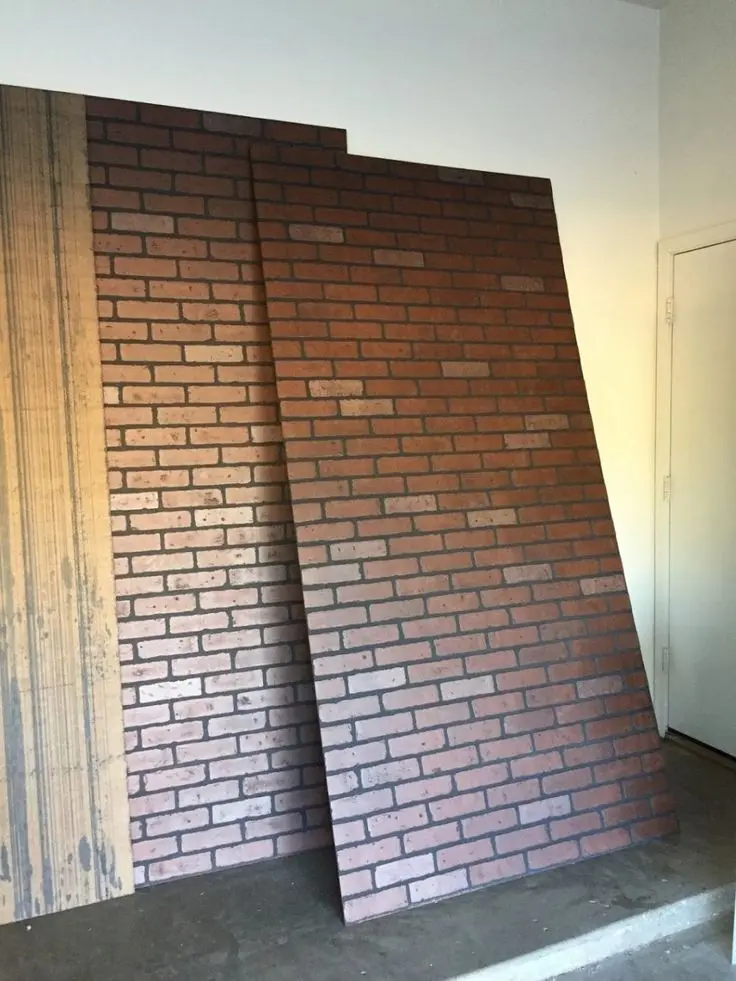
Modern construction projects demand speed, sustainability, and aesthetic flexibility. Imitation brick panels meet all three criteria:
- Speed of installation: Panels can be mounted directly onto studs or concrete using a simple nail‑gun system, eliminating the need for mortar and curing periods.
- Weight advantage: At roughly 2 kg/m², they are a lightweight building material that reduces structural load, allowing use on retrofit projects where load‑bearing capacity is limited.
- Sustainability: Most manufacturers now use recycled PVC or fiber‑reinforced polymers, positioning these products as an eco‑friendly alternative to clay brick.
Key Performance Metrics (2026 Data)
The tongue and groove boarding guide notes that panels with a high‑density core achieve a fire‑rating of up to Class B‑s2, d0, while the steel roof panels performance guide cites a comparable thermal resistance (R‑value 0.8 m²K/W) that helps maintain interior comfort.
According to the 2026 Market Insight Survey by BuildTech Analytics, the global demand for imitation brick cladding grew 14 % YoY, reaching US$ 3.2 billion. The report attributes this surge to a 28 % increase in residential retrofit projects that prioritize a low‑maintenance façade.
Design Flexibility and Aesthetic Options
Unlike traditional brick, these panels are available in a spectrum of finishes—from weathered red to sleek whitewashed tones—allowing designers to align with modern interior design trends without compromising structural constraints. The surface can be printed, embossed, or combined with metal studs for a hybrid look, a technique highlighted in the wooden wall panels expert guide for mixed‑material interiors.
Integrating with Other Cladding Systems
When used alongside decorative wall cladding such as stone veneer or PVC bathroom panels, imitation brick creates depth and texture. For instance, a living‑room accent wall paired with a mortarless stone veneer can achieve a layered effect without additional framing.
Installation Workflow: From Prep to Finish
Below is a step‑by‑step guide for installing imitation brick wall panels on a typical interior wall.
- Surface preparation: Ensure the substrate is flat, clean, and dry. For concrete walls, apply a primer recommended by the panel manufacturer.
- Layout planning: Measure and mark a level line at the desired starting height. Use a laser level for precision.
- Panel positioning: Align the first panel with the level line, allowing a 2 mm expansion gap at corners.
- Fastening: Secure panels using corrosion‑resistant screws or concealed clips, spacing fasteners every 300 mm horizontally and 400 mm vertically.
- Seam treatment: Apply a matching joint filler to hide seams; many systems include a pre‑colored filler that blends with the printed brick pattern.
- Finishing touches: Install baseboards or trim to conceal the lower expansion gap and provide a polished look.
Tools and Materials Checklist
- Laser level or spirit level
- Cordless drill with appropriate screwdriver bits
- Corrosion‑resistant fasteners (screws or clips)
- Joint filler and putty knife
- Safety gear: gloves, goggles, dust mask
Cost‑Benefit Analysis: ROI Perspective
When evaluating return on investment, consider both upfront and lifecycle costs. A 2026 case study by the Canadian Construction Association compared a 250 m² office renovation using traditional brick veneer versus imitation panels:
| Metric | Traditional Brick Veneer | Imitation Brick Panels |
|---|---|---|
| Material cost (USD/m²) | 85 | 45 |
| Labor (USD/m²) | 30 | 12 |
| Installation time (days) | 22 | 8 |
| Maintenance (annual, USD/m²) | 5 | 1 |
| Projected 10‑year ROI | 6 % | 13 % |
The data clearly shows a higher ROI for imitation panels, driven by reduced labor, lower material cost, and minimal upkeep.
Common Pitfalls and How to Avoid Them
Even with a straightforward system, mistakes can erode savings:
- Ignoring substrate irregularities: Small bumps can telegraph through the printed surface, compromising realism. Use a skim coat to level the wall.
- Improper expansion gaps: Failure to leave adequate gaps may cause buckling in high‑humidity environments.
- Using the wrong fastener material: Non‑stainless steel can corrode, especially in coastal projects, leading to panel sag.
- Skipping joint filler: Visible seams undermine the brick illusion; a high‑quality filler ensures seamless continuity.
Environmental Impact and Sustainability Credentials
Manufacturers are increasingly adopting recycled content. The 2026 Green Building Council (GBC) certification now includes a “Recycled Content” credit for wall cladding that contains at least 30 % post‑consumer plastic. Imitation brick panels typically meet or exceed this threshold, positioning them as a viable choice for LEED v4.1 projects seeking eco‑friendly alternatives.
Case Studies: Real‑World Applications
Urban Loft Conversion – Toronto, Canada
A 1,500 sq ft loft was transformed using matte‑finish imitation brick to preserve an industrial vibe while meeting fire‑code requirements. Installation completed in 4 days, compared to the projected 12 days for true brick. The client reported a 20 % reduction in heating costs due to the panels’ insulating air gap.
Hospital Waiting Area – Sydney, Australia
To meet stringent hygiene standards, the facility chose PVC‑based imitation brick panels with antimicrobial coating. The panels’ smooth, non‑porous surface simplified cleaning protocols, aligning with the hospital’s infection‑control policy.
Future Trends: What to Expect in 2027 and Beyond
Emerging technologies such as 3‑D printed textures and integrated LED backlighting are set to expand the creative palette for imitation brick. Additionally, AI‑driven design tools will allow architects to preview brick patterns in real time, ensuring perfect alignment with client expectations before a single panel is cut.
Frequently Asked Questions
Can imitation brick panels be used outdoors?
Yes, provided the product is rated for exterior exposure (UV‑stabilized, water‑resistant). Many manufacturers offer a “weather‑guard” series specifically for façades.
Do these panels meet fire safety standards?
Most high‑grade panels achieve at least Class B‑s2, d0 fire ratings, comparable to traditional masonry. Always verify the certification label for your region.
Are the panels recyclable?
The majority are made from recyclable polymers or composites. At end‑of‑life, they can be processed in standard plastic recycling streams, reducing landfill impact.
How do I match the brick color to existing masonry?
Manufacturers offer a swatch library; select a sample and compare under natural lighting. For perfect match, request a custom print—most suppliers can produce a batch within two weeks.
What is the typical lifespan?
When installed according to guidelines, panels retain their appearance and structural integrity for 25‑30 years, surpassing the practical lifespan of many interior finishes.
In summary, imitation brick wall panels deliver the timeless charm of brick while addressing the modern demands of speed, sustainability, and cost efficiency. By following best‑practice installation methods and selecting certified, recycled‑content products, professionals can achieve a high‑impact aesthetic that contributes positively to project ROI and environmental goals.
For deeper insight into complementary cladding systems, explore our PVC bathroom wall panels guide and the WPC wall panel guide, which discuss fast‑install, water‑resistant solutions that pair well with brick‑style finishes.
Additional technical specifications can be found on the Wikipedia page for brick veneer, which outlines historical context and material properties.