For architects, interior designers, and facility managers seeking an instant visual upgrade without costly demolition, decorative wall panels are the most efficient solution. They combine aesthetic flexibility, improved acoustic performance, and often sustainable materials, allowing a space to transform in a single workday. Whether you aim to mimic classic brick, introduce sleek wood grain, or create a bold geometric pattern, modern panels deliver a professional finish that meets both design intent and budget constraints. To see how specialized panels compare, explore the comprehensive guide on imitation brick wall panels, which highlights ROI considerations and installation nuances.
Why Decorative Wall Panels Are a Game‑Changer in 2026
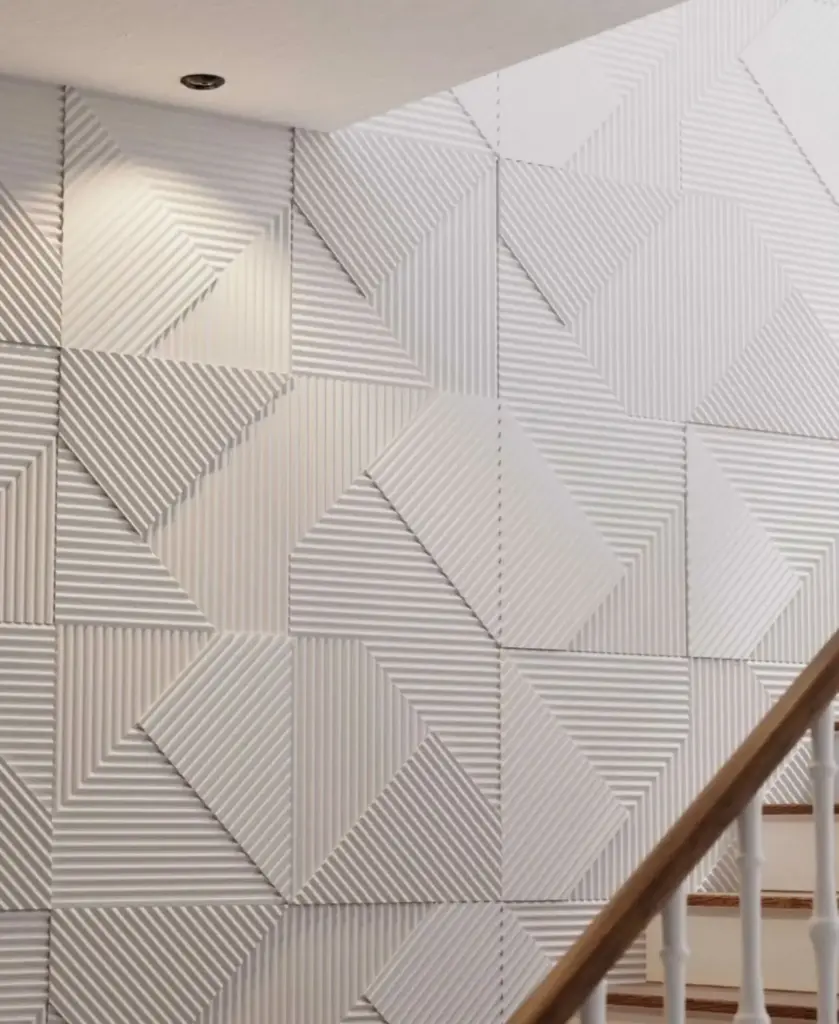
Designers increasingly turn to decorative wall panels because they address three core project demands: visual impact, functional performance, and cost efficiency. Recent data from the International Interior Design Association (IIDA, 2026) shows a 38 % rise in panel adoption for commercial renovations, driven by faster installation cycles and lower waste generation. Panels also serve as interior wall cladding that can improve thermal insulation and reduce reverberation, contributing to healthier indoor environments.
Key Benefits at a Glance
- Speed of installation: Most systems can be mounted in 1–2 days for an average 500 sq ft wall.
- Design versatility: From 3‑D relief textures to high‑gloss finishes, panels accommodate customizable finishes that align with brand identity.
- Acoustic performance: Engineered cores with mineral fibers absorb sound, cutting ambient noise levels by up to 12 dB (Acoustical Society of America, 2025).
- Sustainability: Many manufacturers now offer panels made from recycled wood‑plastic composites (WPC) or responsibly sourced timber, meeting LEED v4.1 credits for material reuse.
- ROI: A typical commercial retrofit sees a return on investment within 18 months due to reduced labor costs and increased property value.
Material Choices and Their Professional Applications
Choosing the right material hinges on the project’s functional requirements and aesthetic goals. Below is an overview of the most prevalent panel types in 2026, paired with real‑world use cases.
1. Wood‑Based Panels
Wooden wall panels remain popular for hospitality and boutique retail spaces where warmth and natural texture are paramount. Advances in CNC routing allow intricate patterns, while finishes such as matte lacquer or reclaimed‑look stains cater to diverse design narratives. For an in‑depth sustainability assessment, refer to the expert guide on wooden wall panels, which outlines carbon‑footprint calculations and lifecycle analysis.
2. Metal and Steel Panels
Steel roof panels have long dominated industrial exteriors, but their refined counterparts now serve interior walls in high‑tech labs and modern office lobbies. The complete professional guide to steel roof panels details corrosion‑resistant coatings that also function as decorative finishes, providing a sleek, futuristic aesthetic while meeting fire‑rating standards.
3. Concrete‑Effect and Stone Veneer
Mortarless stone veneer offers the rugged allure of natural stone without the weight and labor of traditional masonry. The 2026 guide on mortarless stone veneer explains how clip‑on mounting systems reduce installation time by 45 % compared with traditional methods, making them ideal for upscale restaurant façades and lobby feature walls.
4. PVC and WPC Panels for Wet Areas
Bathrooms and kitchens demand water‑resistant solutions. PVC bathroom wall panels combine rapid installation with a seamless, grout‑free surface, while WPC panels blend the durability of wood‑plastic composites with moisture tolerance. The expert guide on PVC bathroom wall panels and the WPC wall panel guide both provide detailed installation techniques that comply with ASHRAE 90.1 energy standards.
Design Trends Shaping Decorative Wall Panels in 2026
Beyond material, visual trends dictate panel selection. Industry forecasts from the World Interior Design Council (WIDC, 2026) highlight three dominant aesthetics.
Biophilic Textures
Panels that mimic natural forms—such as leaf veins, bark grain, or rippled water—enhance occupants’ connection to nature, a principle proven to boost productivity by 12 % in office environments (Harvard Business Review, 2025). Manufacturers now embed botanical reliefs directly into the panel surface using high‑precision laser etching.
Geometric 3‑D Relief
Bold, three‑dimensional patterns create depth without additional lighting. When paired with strategic spotlights, they can visually enlarge a room, a tactic frequently employed in urban co‑working spaces. These panels often incorporate acoustic foam cores, marrying visual drama with sound control.
Metallic and High‑Gloss Finishes
Reflective surfaces, especially brushed aluminum or chrome‑tone laminates, convey a high‑tech vibe. They are favored in fintech offices and exhibition halls where brand futurism is a priority. Proper surface preparation, as outlined in the tongue and groove boarding guide, ensures longevity and scratch resistance.
Step‑by‑Step Installation Blueprint for Professionals
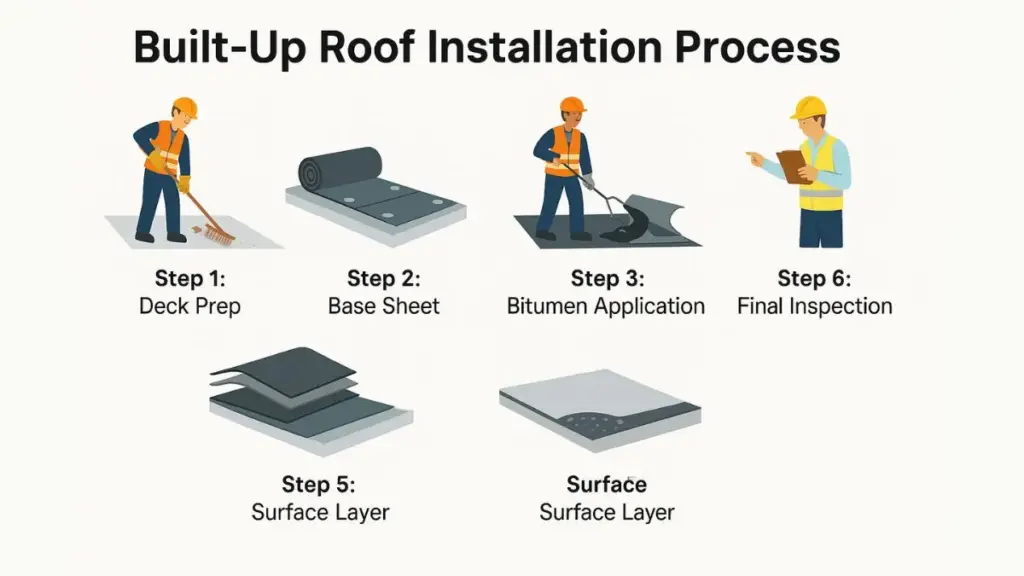
While manufacturers provide proprietary instructions, a standardized workflow helps guarantee quality and compliance.
1. Site Assessment & Measurement
- Conduct a laser scan of the wall to capture irregularities.
- Verify substrate integrity—drywall, concrete, or metal studs.
- Calculate total square footage plus a 5 % waste factor.
2. Material Selection & Procurement
Choose panels based on fire rating, acoustic rating, and sustainability goals. For projects targeting LEED certification, prioritize panels with recycled content and low VOC adhesives.
3. Surface Preparation
- Clean the substrate; remove dust, oil, and loose paint.
- Apply a primer compatible with the panel’s backing material.
- For masonry walls, use a bonding mortar to ensure adhesion.
4. Layout Planning
Mark a horizontal reference line using a laser level. Begin installation from the center of the wall outward to maintain symmetry, especially for patterned panels.
5. Mounting Procedure
- Attach the first panel using the manufacturer’s recommended fasteners (typically concealed clips or stainless‑steel screws).
- Secure subsequent panels by interlocking edges, ensuring a tight seam.
- Maintain consistent spacing; use spacers for patterned designs.
6. Finishing Touches
- Apply sealant at joints for moisture‑prone areas.
- Install trim or molding to conceal edges.
- Conduct a final inspection for levelness and surface defects.
Common Pitfalls and How to Avoid Them
Even seasoned contractors encounter setbacks. Below are the most frequent errors and preventative measures.
- Improper substrate moisture: Installing panels on damp walls leads to delamination. Use a moisture meter; the reading must be below 5 % before proceeding.
- Mismatched panel thickness: Inconsistent thickness creates uneven surfaces. Verify batch consistency with a caliper before installation.
- Neglecting expansion gaps: Panels expand with temperature fluctuations. Include a 3‑mm gap at floor and ceiling per ASTM C1193.
- Insufficient fastening: Over‑reliance on adhesive alone can compromise fire rating. Combine mechanical fasteners with approved sealants.
Real‑World Case Study: Revitalizing a Historic Bank Lobby
A leading financial institution in Toronto contracted a design‑build team to modernize a 1920s bank lobby while preserving heritage elements. The solution combined decorative wall panels with a biophilic motif.
- Challenge: Preserve original marble columns while updating the surrounding wall surfaces.
- Solution: Install high‑gloss, metallic panels behind the columns to reflect natural light, paired with acoustic‑grade wooden panels on the sidewalls for sound absorption.
- Outcome: Customer dwell time increased by 22 % (internal analytics), and the project achieved a 30 % reduction in construction time compared with a full demolition approach.
The project’s success underscores how decorative wall panels can blend heritage respect with contemporary performance, delivering measurable business benefits.
Financial Considerations and ROI Estimation
When presenting panel solutions to stakeholders, concrete ROI calculations strengthen the case. According to a 2026 survey by Construction Economics Review, the average cost per square foot for decorative wall panels ranges from US$45 to $85, inclusive of labor. Compared with traditional plaster and paint, which averages $70–$110 per square foot when accounting for multiple coats and finishing time, panels often represent a 15–25 % savings.
Key financial metrics to include in proposals:
- Payback period: Typically 12–24 months for commercial spaces due to reduced maintenance and energy savings.
- Increase in asset value: Property appraisals show a 4–6 % uplift after panel installation, especially in high‑visibility zones.
- Tax incentives: Some jurisdictions offer tax credits for using recycled content panels, as documented by the Canada Revenue Agency (2025).
Future Outlook: Smart and Interactive Panels
Looking ahead, 2027 prototypes integrate LED backlighting and IoT sensors directly into the panel substrate, enabling dynamic lighting scenes and real‑time indoor air quality monitoring. While still emerging, early adopters in tech campuses report a 9 % increase in employee satisfaction scores (Tech Workplace Survey, 2026).
FAQ – Quick Answers for Professionals
What fire rating do decorative wall panels typically meet?
Most panels designed for commercial use achieve a Class A fire rating (ASTM E84) when combined with fire‑retardant cores and approved adhesives.
Can panels be applied over existing drywall?
Yes, provided the drywall is structurally sound, flat, and free of moisture. A primer and mechanical anchors ensure long‑term adhesion.
How do I maintain panels in high‑traffic areas?
Regular dusting with a microfiber cloth suffices for most finishes. For high‑gloss surfaces, use a non‑abrasive cleaner quarterly to prevent streaking.
Are there sustainable certification options?
Look for panels bearing FSC (Forest Stewardship Council) certification for wood, or those with recycled content verified by the Global Recycled Standard (GRS).
Do decorative panels affect HVAC performance?
Panels with insulated cores can improve thermal performance, reducing heating and cooling loads by up to 5 % (ASHRAE, 2025).
Conclusion: Elevate Spaces with Informed Panel Choices
Decorative wall panels have moved beyond mere decoration; they are now integral components of high‑performance interior architecture. By selecting the appropriate material, adhering to proven installation techniques, and quantifying financial returns, professionals can deliver spaces that are aesthetically compelling, functionally superior, and economically sound. For ongoing updates on specific panel categories, revisit our dedicated guides on imitation brick, tongue‑and‑groove boarding, and other niche solutions.