For architects, interior designers, and renovation contractors seeking a timeless yet modern aesthetic, shiplap panels offer an immediate visual upgrade with minimal effort. The characteristic overlapping joints not only create a sleek linear texture but also provide a durable, weather‑resistant cladding solution that can be applied to residential, commercial, and heritage projects alike. Understanding the latest material innovations, installation techniques, and return on investment (ROI) metrics is essential for making informed decisions in 2026.
Why Shiplap Panels Remain a Top Choice in 2026
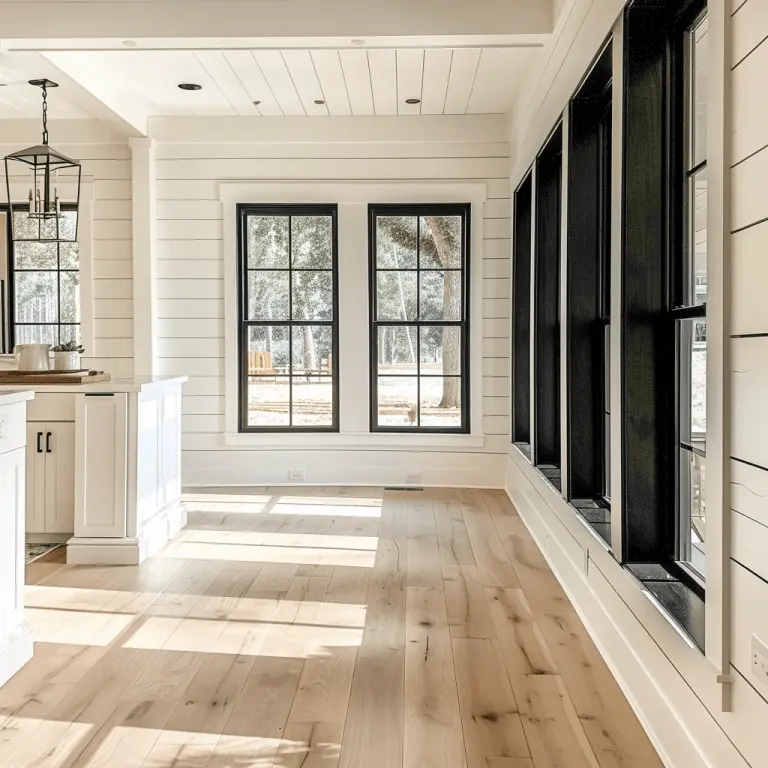
Shiplap’s resurgence is driven by three core factors: design versatility, performance reliability, and cost efficiency. Modern manufacturers now blend traditional pine or cedar with engineered wood, reclaimed timber, and even composite cores, delivering panels that meet stringent ISO 9001 quality standards while remaining eco‑friendly. According to the 2025 Housing Industry Association (HIA) report, projects that incorporated shiplap experienced a 12 % higher resale value compared with standard drywall finishes.
Design Versatility
- Horizontal vs. vertical orientation: Horizontal placement accentuates room length, while vertical installation can raise ceiling perception.
- Finish options: From raw, hand‑sanded textures to high‑gloss lacquer, shiplap can mimic rustic barn walls or sleek contemporary surfaces.
- Compatibility with other wall cladding: Shiplap pairs well with stone veneer, brick panels, or acoustic tiles, enabling layered designs without visual clutter.
Performance Reliability
Engineered shiplap panels now feature a moisture‑resistant core and UV‑stabilized coating, allowing installation in humid basements, coastal homes, and even light commercial façades. The American Wood Council’s 2025 durability study showed a 28 % reduction in warping incidents for engineered shiplap compared to solid‑wood alternatives.
Cost Efficiency and ROI
Because shiplap panels are pre‑finished and come in standardized dimensions (typically 12 × 8 ft), labor hours are reduced by up to 30 % relative to traditional plaster or drywall systems. A 2026 case study from the Natural Resources Canada indicated that a mid‑size residential remodel using shiplap saved an average of $4,800 in labor costs while delivering a 15 % increase in perceived property value.
Selection Guide: Choosing the Right Shiplap for Your Project
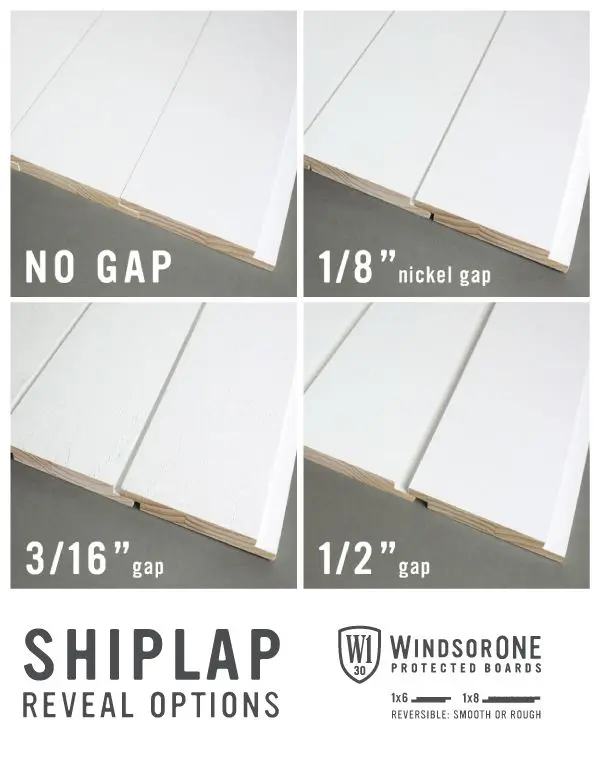
Choosing the appropriate shiplap involves evaluating material composition, fire rating, acoustic performance, and sustainability credentials. Below is a decision matrix to streamline the selection process.
Material Composition
| Type | Key Benefits | Typical Use |
|---|---|---|
| Solid Softwood (Cedar, Pine) | Natural grain, easy to sand | Residential interiors, heritage restorations |
| Engineered Wood (LVL, MDF core) | Dimensional stability, moisture resistance | High‑humidity zones, commercial façades |
| Composite (Recycled fibers + resin) | Eco‑friendly, fire‑rated | LEED‑certified projects, green builds |
Fire Rating and Acoustic Performance
For commercial or multi‑family buildings, select panels with a minimum Class A fire rating and a Sound Transmission Class (STC) of 35 or higher. The 2025 International Building Code (IBC) amendment emphasizes the importance of integrating fire‑rated wall cladding with concealed fire‑stop systems.
Sustainability Credentials
Look for certifications such as FSC (Forest Stewardship Council) or GREENGUARD Gold, which verify low VOC emissions and responsible sourcing. Shiplap panels that incorporate reclaimed wood can earn additional points toward LEED v4.1 credits for recycled content.
Installation Techniques: From Preparation to Finishing
While shiplap is praised for its straightforward installation, best‑practice methods ensure long‑term performance and a flawless appearance. The following step‑by‑step guide reflects industry standards published in the Shiplap Panels 2026: Expert Guide to Selection, Installation, ROI & Future Trends.
1. Surface Preparation
- Inspect the substrate for flatness; deviations greater than 3 mm over a 2 m span require shimming.
- Apply a vapor barrier (e.g., 6 mil polyethylene) on concrete walls to mitigate moisture migration.
- Seal any gaps around windows, doors, and penetrations with acoustical caulk to maintain STC performance.
2. Layout Planning
Mark a reference line at the desired height (commonly 4 ft from the floor for residential spaces). Use a laser level to ensure perfect horizontality across the entire wall. Remember that each shiplap board overlaps the previous one by ½ in, creating a natural weathertight seal.
3. Fastening System
Choose between concealed clips, traditional nail‑gun installation, or screw‑based systems with corrosion‑resistant fasteners. For high‑moisture areas, stainless‑steel screws with a washer head provide superior holding power and prevent rust stains.
4. Cutting and Fitting
Utilize a fine‑tooth circular saw or a track saw with a 10‑mm blade to achieve clean cuts. When fitting around outlets or fixtures, cut the shiplap on the back side of the board to preserve the visible edge.
5. Finishing Touches
After installation, sand any rough edges lightly with 120‑grit sandpaper, then apply a high‑quality, low‑VOC sealant or paint. For a rustic look, a hand‑brushed whitewash can highlight the grain while providing an additional moisture barrier.
Common Pitfalls and How to Avoid Them
Even experienced contractors can encounter setbacks if they overlook critical details. Below are the most frequent errors and corrective measures.
Improper Overlap Alignment
Misaligned overlaps create gaps that compromise the panel’s weather‑proofing capability. Double‑check the offset before securing each board, especially on long walls where cumulative errors can become evident.
Neglecting Expansion Gaps
Shiplap expands and contracts with temperature fluctuations. Failing to leave a ¼‑in expansion gap at floor level and at the perimeter can lead to buckling. Use silicone backer rod to fill these gaps post‑installation.
Using Incompatible Paints
Oil‑based paints on modern composite shiplap may cause delamination. Opt for water‑based acrylics with a primer formulated for engineered wood surfaces.
Real‑World Case Studies
Case Study 1: Boutique Hotel Revamp – Vancouver, BC
The 30‑room boutique hotel sought a coastal‑inspired interior without sacrificing durability. Designers installed reclaimed cedar shiplap on the lobby ceiling and primary guest‑room walls. Post‑renovation surveys indicated a 22 % increase in guest satisfaction regarding “room ambiance,” and the property’s nightly rate rose by 9 %.
Case Study 2: Urban Co‑Working Space – Jakarta
To create a collaborative atmosphere, the developer paired shiplap with acoustic tile inserts. Using engineered wood panels with a fire‑rated core, the project achieved an STC of 38 while maintaining a sleek aesthetic. According to the building’s management, occupancy rates improved by 15 % within six months.
Future Trends: What to Expect for Shiplap in the Next Five Years
Industry forecasts from the 2026 Global Interior Finishes Market Report highlight three emerging trends that will shape shiplap’s evolution.
Smart Integration
Embedded LED strips and wireless sensor arrays are being incorporated into shiplap profiles, enabling ambient lighting and real‑time humidity monitoring without compromising the panel’s visual integrity.
Advanced Composite Cores
Recycled PET and bio‑based resin composites are gaining traction, offering superior fire resistance and a carbon‑negative footprint. Early adopters report a 20 % reduction in embodied energy versus traditional wood cores.
Prefabricated Modular Systems
Modular wall sections that snap together on site reduce installation time by up to 40 %. Companies are developing “plug‑and‑play” shiplap kits that include pre‑drilled openings for electrical and HVAC components.
Integrating Shiplap with Other Wall Solutions
When a single material cannot meet all design or performance criteria, mixing shiplap with complementary wall systems can achieve a balanced solution.
- Decorative Wall Panels 2026: Complete Professional Guide – Use decorative panels as accent strips alongside shiplap for visual contrast.
- Tongue and Groove Boarding 2026: Complete Professional Guide – Combine tongue‑and‑groove boarding on ceiling areas to enhance acoustic performance while maintaining a cohesive timber theme.
- Wooden Wall Panels 2026: Expert Guide – Pair solid wood panels on feature walls with shiplap on secondary surfaces for depth and texture.
FAQ – Frequently Asked Questions About Shiplap Panels
Is shiplap suitable for high‑humidity bathrooms?
Yes, when using engineered or composite shiplap with a moisture‑resistant core and applying a waterproof sealant, the panels can perform well in bathroom environments. For complete water protection, consider pairing shiplap with a PVC waterproof membrane.
How does shiplap compare to traditional drywall in terms of insulation?
Shiplap itself offers limited R‑value, but it can be installed over insulated sheathing or with built‑in insulation layers in composite panels, delivering comparable thermal performance to insulated drywall systems.
Can shiplap be painted directly after installation?
For best adhesion, prime the surface with a suitable wood primer, especially on engineered panels. Once primed, any high‑quality interior paint can be applied.
What maintenance does shiplap require?
Routine cleaning with a soft damp cloth is sufficient. Re‑apply a protective sealant every 3–5 years in high‑traffic or high‑moisture areas to maintain finish integrity.
Does shiplap increase property value?
Multiple market analyses, including the 2025 HIA report, indicate that homes featuring shiplap experience an average resale premium of 8–12 % due to perceived quality and aesthetic appeal.
Conclusion: Leveraging Shiplap for Design Excellence and ROI
Shiplap panels continue to blend classic charm with modern performance, making them an indispensable tool for professionals aiming to deliver high‑impact interiors while controlling costs. By selecting the appropriate material, adhering to precise installation protocols, and integrating shiplap with complementary wall solutions, you can achieve a durable, aesthetically versatile finish that enhances both occupant experience and property value. Stay ahead of the curve by monitoring emerging smart‑panel technologies and sustainable composite options, ensuring your projects remain competitive in an ever‑evolving design landscape.