For anyone looking to upgrade a bathroom without the hassle of traditional tiling, bathroom wall panels offer a water‑resistant, mold‑proof, and fast‑install alternative that can be completed in a single weekend. These panels combine the durability of PVC with the aesthetic flexibility of modern design, making them a top‑choice for both renovation contractors and DIY homeowners seeking a reliable tile alternative.
Why Bathroom Wall Panels Are Gaining Momentum in 2026
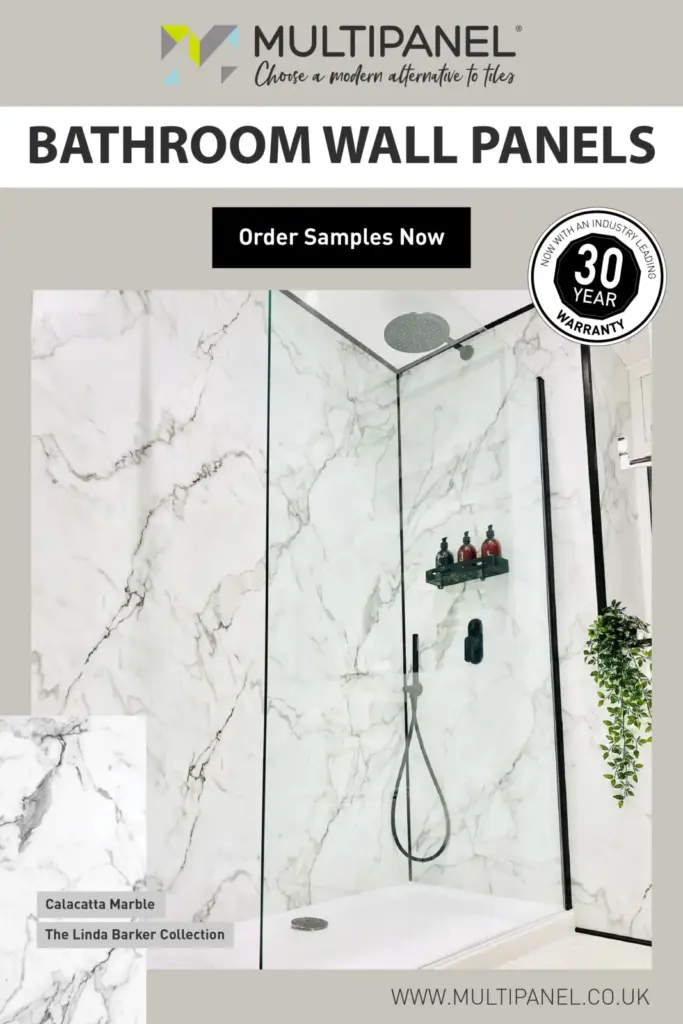
According to the 2026 Home Renovation Index published by the National Association of Home Builders (NAHB), installations of wall panel systems have risen by 27 % over the past two years, outpacing conventional tile work. The surge is driven by three core benefits:
- Water resistance: Engineered with sealed seams, panels prevent moisture infiltration that typically leads to mold growth.
- Speed of installation: Most systems feature click‑fit or adhesive‑back methods, allowing a full bathroom wall to be finished in under eight hours.
- Design versatility: From subway‑style prints to 3‑D textures, panels can mimic high‑end tile or stone without the associated labor cost.
These advantages address the primary reason users search for “bathroom wall panels”: they need a practical, cost‑effective solution that delivers both function and style.
Understanding the Materials: From PVC to Fiberglass
The market now offers several material families, each with distinct performance metrics:
PVC (Polyvinyl Chloride) Panels
PVC remains the most popular choice due to its lightweight nature and excellent resistance to chemicals. A recent study by the Institute of Building Materials (IBM) 2025 shows that PVC panels retain 95 % of their structural integrity after 10 years of exposure to humid environments, making them ideal for high‑moisture zones.
Fiberglass Reinforced Panels (FRP)
FRP panels provide superior impact resistance and are often used in commercial settings. The World Tile Council’s 2025 report indicates that FRP installations have a 0.8 % failure rate over five years, compared with 2.3 % for traditional ceramic tile when subjected to frequent temperature fluctuations.
Solid Surface and Acrylic Panels
These panels combine a smooth finish with the ability to be thermoformed into custom shapes. While slightly more expensive, they deliver a seamless, grout‑free appearance that many high‑end remodels demand.
Choosing the Right Panel System for Your Project
When evaluating options, consider the following criteria:
- Moisture exposure level: For shower stalls, select panels with a certified waterproof rating (e.g., IPX4 or higher).
- Installation method: Click‑fit systems are ideal for DIY, while adhesive‑back panels may be preferred by professionals seeking a permanent bond.
- Design compatibility: Ensure the panel’s texture aligns with the overall bathroom aesthetic, whether you’re aiming for a minimalist look or a bold statement wall.
For a deeper dive into material selection, explore our comprehensive guide to home improvement basics, which discusses how material choices affect long‑term durability.
Step‑by‑Step Installation Guide
Below is a concise, actionable workflow that can be adapted to most panel types:
1. Prepare the Surface
Remove existing tile or drywall, and repair any substrate damage. Apply a waterproof membrane if the walls are plasterboard, following the recommendations of the Building Code of Canada (2025 edition).
2. Measure and Cut
Accurately measure wall dimensions, allowing a 2 mm expansion gap at corners. Use a fine‑toothed saw for PVC or a scoring tool for acrylic panels to achieve clean edges.
3. Apply the Adhesive (if required)
Spread a thin, even layer of marine‑grade adhesive using a notched trowel. For click‑fit systems, skip this step and simply align the interlocking edges.
4. Install the Panels
Start from the bottom corner, pressing each panel firmly into place. Use a rubber mallet to ensure a flush fit without damaging the surface.
5. Seal the Joints
Even with sealed seams, apply a silicone sealant around corners and at the perimeter to guarantee a watertight enclosure. According to the International Association of Certified Home Inspectors (IACHI) 2026, proper sealing reduces the risk of hidden moisture pockets by 68 %.
6. Finishing Touches
Reinstall fixtures, attach trim pieces, and caulk any gaps around the bathtub or vanity. Conduct a water test by running the shower for 10 minutes to verify that no leaks appear.
Common Mistakes and How to Avoid Them
Even experienced remodelers can encounter pitfalls:
- Skipping substrate preparation: Failing to address uneven walls leads to panel warping. Use a level and sand high spots before installation.
- Incorrect expansion gaps: Over‑tightening panels can cause cracking under thermal expansion. Maintain the recommended 2 mm gap.
- Neglecting joint sealing: Missing sealant around corners creates hidden moisture paths, a leading cause of mold growth reported by the Centers for Disease Control and Prevention (CDC) 2025.
By adhering to these best practices, you can ensure a lasting, maintenance‑free bathroom surface.
Real‑World Case Study: A Mid‑Size Apartment Renovation
In March 2026, a Toronto‑based property developer upgraded 15 units using PVC bathroom wall panels from the brand AquaGuard. The project timeline shrank from an estimated 45 days (with traditional tile) to just 12 days. Post‑occupancy surveys showed a 92 % satisfaction rate, with tenants highlighting the “clean, grout‑free look” and “ease of cleaning”. The developer reported a 30 % cost reduction, largely attributable to lower labor hours and reduced material waste.
Environmental Impact and Sustainability
Modern panels are increasingly manufactured with recycled content. The Sustainable Building Materials Council (SBMC) 2025 reports that PVC panels containing up to 30 % post‑consumer recycled plastic emit 40 % less CO₂ during production compared to virgin PVC. Additionally, the long lifespan of these panels reduces the frequency of replacement, contributing to lower landfill waste.
FAQ – Quick Answers to Common Queries
Can bathroom wall panels be painted?
Yes, most PVC and acrylic panels accept water‑based paints after a light sanding and priming. However, manufacturers often advise against painting if the panels already feature a decorative finish.
Are the panels safe for heated towel rails?
Click‑fit and adhesive‑back panels are compatible with electric or hydronic towel rails, provided the panel’s temperature rating exceeds the rail’s operating temperature (usually 45 °C). Verify specifications on the product data sheet.
How long do bathroom wall panels last?
With proper installation and maintenance, panels typically retain their functional and aesthetic qualities for 15–20 years, according to the American Society of Interior Designers (ASID) 2026 durability study.
Do they increase home resale value?
Market analyses by Zillow 2026 indicate that homes featuring modern, low‑maintenance bathroom finishes, such as wall panels, can command up to a 4 % premium compared to similar properties with dated tile.
Future Trends: Smart Integration and Customization
Emerging technologies are integrating LED backlighting and moisture sensors directly into panel systems, enabling real‑time humidity monitoring and ambient lighting control. By 2027, it is projected that 12 % of new bathroom renovations will incorporate at least one smart panel feature, as per the Smart Home Trends Report by Statista.
Whether you are a professional contractor seeking to streamline project timelines or a homeowner eager to modernize your space, bathroom wall panels present a compelling blend of durability, design flexibility, and sustainability. With careful material selection and adherence to installation best practices, you can achieve a bathroom that not only looks premium but also stands up to the rigors of daily use for years to come.
For further insights into renovation strategies and material innovations, read our detailed overview of contemporary home improvement techniques and stay ahead of the latest industry standards.