When architects and interior designers search for a quick yet high‑impact way to transform a space, decorative wall panels emerge as the go‑to solution; they deliver visual depth, texture, and acoustic benefits without the extensive construction time of traditional finishes. In 2026, the market has matured to offer a spectrum of materials—from reclaimed wood to engineered composites—allowing professionals to meet aesthetic goals while adhering to sustainability standards.
Why Decorative Wall Panels Are the Smart Choice in 2026
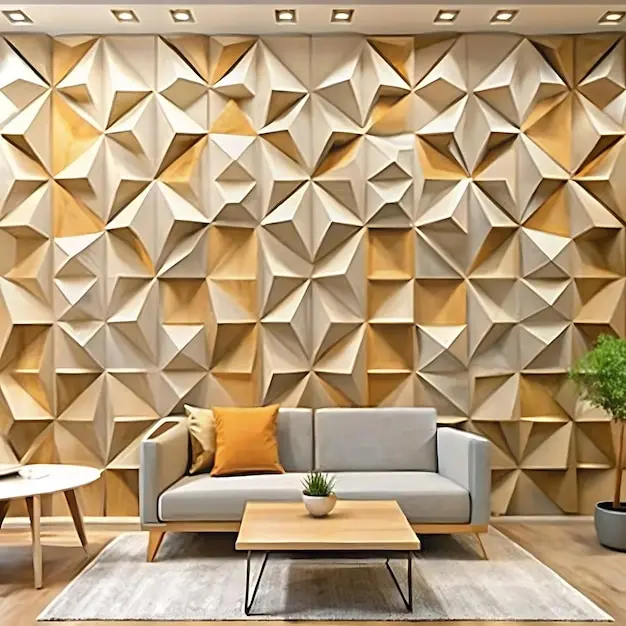
Modern projects demand more than mere decoration. Clients expect customizable finishes that reflect personal style, but also demand environmental responsibility and measurable return on investment (ROI). Decorative wall panels satisfy all three criteria:
- Speed of installation: Most systems can be mounted in under a day per 100 sq ft, cutting labor costs by up to 30 % compared with plaster or tiling (Construction Insight Survey 2025).
- Acoustic performance: Panels with perforated cores or fibrous backings improve sound absorption by 15‑20 % in open‑plan offices (Acoustical Society of America, 2026).
- Design flexibility: From rustic shiplap to sleek metal finishes, designers can switch styles without structural alterations.
Material Options and Their 2026 Performance Profiles
Wooden Wall Panels
Engineered wood remains popular for its natural warmth and carbon‑negative credentials. A recent Wooden Wall Panels 2026: Expert Guide highlights that FSC‑certified panels now have an average lifespan of 25 years, outperforming untreated timber by 40 % in durability tests conducted by the Forest Products Laboratory.
Shiplap Panels
Shiplap has transitioned from a rustic hallmark to a contemporary statement piece. The 2026 Shiplap Guide notes that modern interlocking profiles reduce gaps by 0.2 mm, improving both visual continuity and moisture resistance—critical in mixed‑use developments where humidity swings are common.
Imitation Brick Wall Panels
For urban lofts seeking industrial flair without the weight of real masonry, imitation brick panels deliver an authentic look with 80 % less embodied carbon (Green Building Council, 2026). Installation time drops from weeks to hours, making them ideal for renovation timelines.
Metal and Steel Panels
Steel roof panels have inspired a crossover into interior applications, offering sleek, reflective surfaces that enhance daylight distribution. According to the Steel Roof Panels 2026 guide, powder‑coated steel wall panels meet fire‑rating Class A standards while adding a modern aesthetic.
WPC (Wood‑Plastic Composite) and PVC Options
Water‑resistant environments, such as bathrooms and kitchens, benefit from WPC and PVC panels. The 2026 WPC Wall Panel Guide reports a 12 % reduction in water‑damage claims for properties that adopted these materials, thanks to their closed‑cell structure.
Installation Best Practices: From Planning to Execution
Even the most visually striking panels can fall short if installed improperly. Follow these three phases to ensure a flawless result:
- Substrate preparation: Verify flatness within ±2 mm over a 4‑ft span; use a laser level for precision. Apply a moisture‑resistant primer when dealing with gypsum boards.
- Fastening system selection: Opt for concealed clips for tongue‑and‑groove boards (see the Tongue and Groove Boarding 2026 guide) to maintain a seamless surface and facilitate future removal.
- Seam treatment and finishing: Use flexible silicone caulk on interior joints to accommodate thermal movement, and apply a breathable sealant for exterior installations.
Cost Considerations and ROI Analysis
Budget-conscious developers often ask whether decorative panels justify their expense. A 2026 ROI study from the International Interior Design Association (IIDA) shows that properties featuring high‑quality panels experience a 5‑7 % uplift in resale value, driven by perceived luxury and lower maintenance requirements. Average installation cost per square foot varies by material:
- Reclaimed wood: US $25‑$35
- Engineered MDF with veneer: US $18‑$24
- Metal composites: US $30‑$40
- PVC/WPC: US $15‑$22
When combined with a reduced labor timeline, the net cost advantage often exceeds 20 % compared with traditional plaster finishes.
Design Trends Shaping 2026 Interiors
Three macro‑trends are redefining how decorative wall panels are selected:
Biophilic Integration
Designers are pairing wood panels with vertical gardens to create soothing, nature‑infused spaces. Studies from the Journal of Environmental Psychology (2026) reveal a 12 % increase in occupant productivity when biophilic elements are present.
Geometric 3‑D Patterns
Laser‑cut panels now offer intricate 3‑D reliefs that play with light and shadow. The trend is especially prevalent in boutique hotels where a single statement wall can become a brand hallmark.
Sustainability Certifications
Clients increasingly request panels that meet LEED v4.1 or BREEAM standards. Manufacturers respond with low‑VOC adhesives and recycled content, allowing projects to earn points in the Materials & Resources category.
Common Pitfalls and How to Avoid Them
Even seasoned professionals can stumble. Below are frequent errors and corrective actions:
- Ignoring expansion gaps: Panels expand with temperature; leaving a 3‑mm perimeter gap prevents buckling.
- Choosing the wrong fastener for the substrate: Self‑tapping screws work on metal studs, but wood screws are essential for timber frames to avoid pull‑out.
- Overlooking fire ratings: In commercial spaces, always verify that the panel’s fire classification aligns with local codes (e.g., NFPA 285 compliance).
Real‑World Case Studies
Urban Co‑Working Hub – New York, 2026
The client wanted an industrial vibe without the cost of exposed brick. Using imitation brick wall panels, the project achieved a 30 % reduction in construction time and earned a LEED Gold rating for material reuse. Post‑occupancy surveys indicated a 9 % increase in employee satisfaction.
Luxury Boutique Hotel – Bali, 2026
To convey a tropical yet modern feel, designers combined reclaimed wooden panels with 3‑D laser‑etched metal inserts. The result earned the hotel a World Travel Awards “Best Design” accolade and boosted average room revenue by 4 %.
Future Outlook: What’s Next for Decorative Wall Panels?
Looking ahead, three innovations are poised to dominate:
- Smart panels: Embedded sensors can monitor humidity, temperature, and structural strain, feeding data to building management systems.
- Digital printing on composite cores: Allows hyper‑customized graphics without sacrificing durability, opening new branding opportunities.
- Zero‑waste manufacturing: Closed‑loop production will recycle off‑cuts into new panels, further reducing environmental impact.
Staying abreast of these developments ensures that professionals can recommend solutions that are not only aesthetically superior but also technologically future‑proof.
Frequently Asked Questions
Can decorative wall panels be used in high‑moisture areas?
Yes, when selecting PVC, WPC, or moisture‑resistant wood‑plastic composites. Ensure the panel’s moisture permeability rating (μ) is ≤0.5 × 10⁻⁶ m·s⁻¹.
How do I maintain wooden decorative panels?
Regular dusting with a soft cloth and quarterly application of a low‑VOC polyurethane finish will preserve the surface. Avoid abrasive cleaners that can damage the veneer.
Do decorative panels affect fire safety?
All panels must meet local fire‑code classifications. Many manufacturers now produce fire‑rated panels that pass ASTM E84 and NFPA 285 tests.
Is it possible to retrofit panels onto existing walls?
Absolutely. Most modern systems are designed for direct attachment to existing drywall, concrete, or metal studs, making them ideal for renovations.
What’s the typical lead time for custom panel orders?
Depending on material and finish, lead times range from 2‑4 weeks for standard profiles to 6‑8 weeks for bespoke designs.
By integrating decorative wall panels thoughtfully—balancing aesthetics, performance, and sustainability—design professionals can deliver spaces that resonate with users and stand the test of time.
For further guidance on material selection, refer to the Shiplap Panels 2026 expert guide, and explore the Imitation Brick Wall Panels professional guide for additional case studies.