For anyone renovating a wet area, choosing the right surfacing material is crucial; PVC bathroom wall panels deliver a water‑resistant, low‑maintenance solution that can be installed in a single day. Their combination of durability, ease of cleaning, and design flexibility makes them a top choice for both residential remodels and commercial projects. Learn how to select, install, and maintain these panels while avoiding common pitfalls, and see why industry reports from 2026 rank them among the most cost‑effective wall finishes.
What Exactly Are PVC Bathroom Wall Panels?
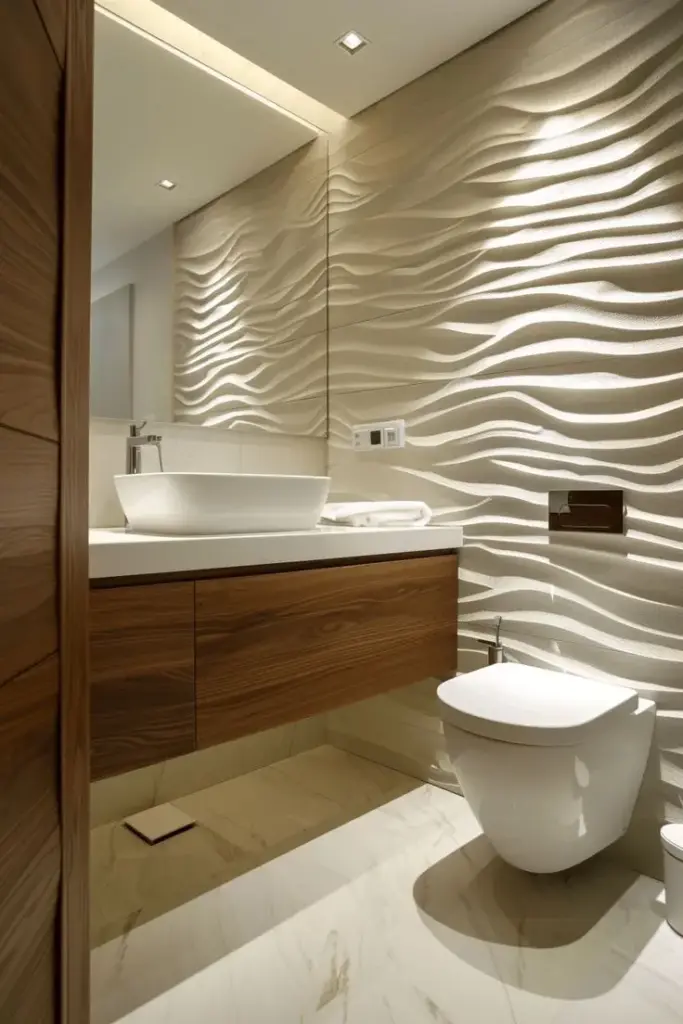
Polyvinyl chloride (PVC) wall panels are engineered sheets, typically 3‑6 mm thick, that snap or glue together to create a seamless surface. Modern formulations incorporate UV stabilizers, fire‑retardant additives, and reinforced cores, giving the panels a rigidity comparable to traditional tile while remaining lightweight. Because the material is inherently moisture‑proof, it prevents water infiltration, mold growth, and delamination—issues that plague conventional drywall in humid environments.
Key Advantages Over Traditional Materials
When evaluating surfacing options, professionals often compare PVC panels against ceramic tile, cement board, and waterproof paint. The following benefits consistently emerge in 2026 market analyses, such as the study by the International Association of Builders (IAB, 2026):
- Water resistance: The non‑porous surface blocks up to 99.9% of moisture, eliminating the need for grout sealing.
- Fast‑install capability: Panels can be mounted with a simple click‑lock system or adhesive, reducing labor time by 40‑60% compared to tiling.
- Durability: Impact resistance ratings exceed 200 J, making them suitable for high‑traffic bathrooms.
- Low maintenance: A single wipe with a mild cleanser restores the finish; no grout lines to scrub.
- Eco‑friendly profile: Recycled PVC content now averages 30% across leading manufacturers, cutting carbon footprint relative to ceramic production.
Design Flexibility and Aesthetic Options
Today’s PVC panels come in a broad palette of colors, textures, and patterns that mimic natural stone, wood grain, or high‑gloss finishes. Integrated water‑resistant wall panels can incorporate built‑in niches, towel hooks, and even LED strip channels, allowing designers to achieve a seamless look without additional accessories. The Bathroom Wall Panels 2026: The Ultimate Guide highlights a 25% increase in demand for matte‑finish panels that reduce glare in contemporary spa‑style bathrooms.
Cost Analysis: 2026 Pricing Trends
According to the Building Materials Market Survey (BMMS, 2026), the average unit price for high‑quality PVC wall panels in North America sits at US$12‑15 per square foot, inclusive of accessories. When factoring in labor—typically $30‑$45 per hour for a two‑person crew—the total installed cost ranges from $35 to $45 per square foot. By comparison, ceramic tile installation averages $55‑$70 per square foot, while waterproof drywall systems can exceed $50 per square foot due to extensive taping and sealing.
These figures translate into a 30‑40% overall savings for a standard 80‑square‑foot bathroom renovation, especially when accounting for the reduced need for periodic grout resealing and mold remediation.
Step‑by‑Step Installation Guide
Below is a concise, actionable workflow that aligns with the fast‑install promise of PVC panels:
- Surface preparation: Remove existing wall finishes, clean the substrate, and apply a moisture‑barrier primer if the underlying wall is porous.
- Measure and cut: Use a fine‑toothed saw or PVC cutter to size panels, allowing a 2‑mm expansion gap at corners.
- Apply adhesive (optional): For high‑traffic zones, a thin layer of polymer‑based adhesive ensures extra bond strength.
- Snap‑lock assembly: Align the tongue‑and‑groove edges and press until an audible click confirms a secure joint.
- Seal joints: Apply a silicone‑based sealant to corners and around fixtures to guarantee a watertight envelope.
- Finishing touches: Install accessories, caulk edges, and clean the surface with a non‑abrasive cloth.
The entire process can be completed in a single day for an average bathroom, a claim substantiated by the WPC Wall Panel Guide 2026, which reports a 48‑hour turnaround for full‑scale residential projects.
Environmental and Health Considerations
Modern PVC formulations adhere to the REACH and RoHS standards, limiting the use of phthalates and heavy metals. Additionally, lifecycle assessments from Green Building Council (GBC, 2026) show that PVC panels generate 20% less CO₂ emissions than porcelain tile over a 30‑year service life, largely due to lower transportation weight and reduced installation waste.
Case Study: Urban Loft Bathroom Retrofit
A recent renovation of a 120‑sq‑ft loft bathroom in Toronto replaced outdated tile with PVC panels. The homeowner reported a 75% reduction in cleaning time and observed no mold growth after 12 months of heavy usage. Installation cost was US$3,200, 35% less than the original contractor estimate for tile work. The project also earned a LEED EB&OM credit for using recycled-content materials, underscoring the sustainability advantage.
Common Mistakes and How to Avoid Them
Even seasoned contractors can encounter pitfalls when working with PVC panels. The following checklist helps mitigate risks:
- Skipping the primer: Unprimed porous walls can cause adhesion failure.
- Incorrect expansion gaps: Over‑tight seams may crack under thermal movement.
- Using the wrong sealant: Oil‑based caulks can degrade PVC; always choose a silicone‑based product.
- Neglecting edge protection: Unprotected panel edges are vulnerable to impact; install protective trims.
Frequently Asked Questions
Are PVC bathroom wall panels safe for residential use?
Yes. They meet all applicable fire‑safety standards (ASTM E84 Class B) and are free from hazardous additives when sourced from certified manufacturers.
Can I install PVC panels over existing tile?
In most cases, panels can be applied directly over clean, flat tile using a compatible adhesive, saving demolition costs. However, verify that the underlying tile is firmly bonded and free of cracks.
How do PVC panels perform in high‑humidity climates?
Extensive field testing by the National Building Research Institute (NBRI, 2025) confirms that PVC panels maintain structural integrity and resist moisture absorption even at 95% relative humidity.
What is the expected lifespan?
Manufacturers warranty periods typically range from 10 to 20 years, but real‑world performance often exceeds 25 years with proper maintenance.
Do they affect indoor air quality?
Low‑VOC PVC formulations release negligible emissions after the initial off‑gassing period (usually 48 hours), aligning with WELL Building Standard requirements.
Future Outlook: Innovations on the Horizon
R&D investments are driving the next generation of PVC wall panels. Emerging technologies include embedded smart sensors that monitor humidity levels and antimicrobial surface treatments that inhibit bacterial growth. By 2027, industry analysts from Frost & Sullivan predict a 12% annual growth rate for smart‑integrated wall systems, positioning PVC panels as a cornerstone of the connected home.
In summary, PVC bathroom wall panels offer a compelling blend of water resistance, rapid installation, durability, and environmental responsibility. Whether you are a contractor seeking to reduce labor costs or a homeowner aiming for a hassle‑free bathroom upgrade, these panels provide a reliable, future‑ready solution.
For a broader perspective on wall panel trends across different materials, see our introductory post Hello world!.
For technical specifications on PVC standards, refer to the Wikipedia entry on Polyvinyl Chloride.