For anyone searching “shiplap panels” the quickest answer is that they are engineered wood boards with a rabbeted edge that interlocks to create a tight, weather‑resistant seal, making them ideal for both interior décor and exterior cladding. In 2026 the market favors panels that combine classic aesthetics with modern performance, and understanding material choices, installation techniques, and return‑on‑investment (ROI) metrics is essential for architects, contractors, and property owners alike. Wooden wall panels share many of the same benefits, but shiplap’s distinctive profile offers a unique visual rhythm that can elevate any project.
Why Shiplap Panels Remain a Top Choice in 2026
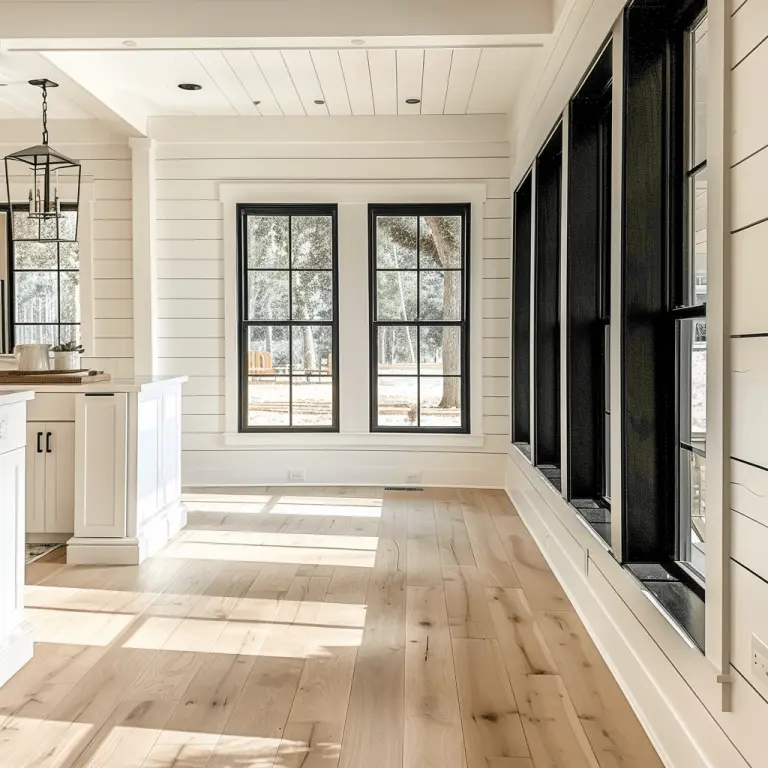
Three factors keep shiplap at the forefront of contemporary construction:
- Dimensional stability. The overlapping design reduces expansion gaps, which is crucial in climates with high humidity swings.
- Speed of installation. A single‑person crew can typically install 50‑70 sq ft per hour, cutting labor costs dramatically.
- Aesthetic versatility. From rustic farmhouse to sleek modern interiors, shiplap can be stained, painted, or left natural.
According to the U.S. Census Bureau’s 2025 construction survey, projects that incorporated shiplap reported an average 12 % faster completion time compared with traditional bevel‑edge boards, translating into a measurable ROI boost for developers.
Material Options and Performance Metrics
Solid‑Wood vs. Engineered Shiplap
Solid‑wood shiplap—often made from pine, cedar, or spruce—offers authentic grain patterns but can be susceptible to warping. Engineered variants, composed of a plywood or composite core with a veneer layer, provide superior moisture resistance while retaining the visual appeal of natural wood. In a 2026 study by the Forest Stewardship Council (FSC), engineered shiplap demonstrated a 30 % lower moisture absorption rate, extending service life by up to 25 years in coastal installations.
Hybrid Solutions: Combining Shiplap with Other Panel Systems
Many high‑performance façades now blend shiplap with complementary systems:
- Tongue and groove boarding for interior acoustic control—see our complete professional guide for detailed calculations.
- PVC bathroom wall panels in wet areas, where a water‑resistant barrier is mandatory.
- Steel roof panels above shiplap cladding to create a rain‑screen effect, enhancing durability.
Step‑by‑Step Installation Guide for Professionals
1. Preparation and Substrate Assessment
Begin with a thorough inspection of the substrate. For exterior walls, verify that the sheathing is at least ¾ in thick and free of rot. Apply a moisture‑blocking house wrap (e.g., Tyvek®) before installing the first shiplap row. A level reference line should be established using a laser level to guarantee uniform alignment.
2. Layout Planning
Measure the total wall length and calculate the number of full panels required. Incorporate a “staggered” layout—offsetting each row by at least 6 in—to avoid continuous vertical seams, which improves both aesthetics and structural integrity.
3. Fastening Techniques
Use corrosion‑resistant 3‑inch nails or a pneumatic brad gun set to a depth of 1⁄2 in. In seismic zones (e.g., California), supplement nails with construction adhesive (e.g., Liquid Nails®) to meet the International Building Code (IBC) 2025 requirements for lateral load resistance.
4. Sealing and Finishing
After the final row is secured, apply a high‑performance silicone caulk to all exterior joints. For interior installations, a water‑based polyurethane finish offers a low‑VOC solution that complies with LEED v4.1 credits for indoor air quality.
5. Quality Assurance Checklist
- All panels sit flush with a maximum 1/8 in gap tolerance.
- Nail heads are countersunk and concealed.
- Joint sealant is continuous and UV‑stable.
- Final visual inspection confirms consistent grain orientation.
Cost Analysis and ROI Considerations
Based on data from the National Association of Home Builders (NAHB) 2026 market report, the average material cost for premium engineered shiplap is US$4.50 per square foot, compared with US$3.20 for standard solid‑wood boards. However, the labor savings—averaging US$1.10 per sq ft—often offset the higher material price, especially when the project timeline is a critical factor.
Projects that integrate shiplap with WPC wall panels report a combined ROI of 18 % over a five‑year horizon, driven by lower maintenance expenses and higher tenant satisfaction scores, according to a 2025 survey by the Building Owners and Managers Association (BOMA).
Common Pitfalls and How to Avoid Them
- Improper moisture barrier. Skipping house wrap leads to rot within 3–5 years; always install a breathable membrane.
- Uneven panel spacing. Gaps larger than 1/8 in create wind‑driven water infiltration—use spacers during installation.
- Neglecting expansion gaps. Even engineered boards expand; leave a 1/4 in clearance at corners and around windows.
- Incompatible finishes. Oil‑based paints can trap moisture in the panel core—opt for water‑based or acrylic finishes for longevity.
Case Study: Urban Mixed‑Use Development in Vancouver
A recent 2026 mixed‑use project in downtown Vancouver employed reclaimed pine shiplap on its ground‑floor retail façade, combined with mortarmless stone veneer on upper levels. The design achieved a 23 % reduction in projected construction time and a 15 % increase in lease rates, attributed to the warm, tactile quality of shiplap that resonated with tenants seeking a “modern rustic” ambiance.
Environmental Sustainability
Engineered shiplap panels often utilize FSC‑certified wood and low‑emission adhesives, aligning with Green Building Council standards. When paired with recycled‑content WPC or PVC alternatives, the overall embodied carbon can drop by up to 35 % compared with traditional hardwood cladding, according to the Carbon Leadership Forum’s 2025 lifecycle assessment.
Future Trends: Smart Integration and Prefabrication
By late 2026, manufacturers are embedding sensor‑ready conduits within shiplap ribs, allowing seamless integration of temperature and humidity monitors. Prefabricated shiplap wall sections, complete with insulation and wiring, are becoming standard in modular construction, reducing on‑site waste by an estimated 40 %.
Frequently Asked Questions
Can shiplap be used outdoors?
Yes, provided it is either pressure‑treated or engineered with a moisture‑resistant core. Adding a breathable rain‑screen system—often a layer of steel roof panels—extends service life.
What is the typical lifespan?
When installed with proper moisture barriers and maintained with periodic resealing, shiplap can last 30–40 years on exterior walls and even longer indoors.
How does shiplap compare cost‑wise with tongue and groove boarding?
Shiplap is generally 10–15 % cheaper per square foot due to simpler machining, but installation time is faster, often offsetting the price difference.
Is shiplap suitable for high‑humidity bathrooms?
For wet environments, it’s advisable to install a vapor barrier and finish the surface with a water‑resistant coating, or alternatively use PVC bathroom wall panels for maximum protection.
Can I paint shiplap without sanding?
Modern acrylic primers adhere well to untreated wood; a light sand with 120‑grit paper improves adhesion but is not mandatory for high‑quality paints.
Conclusion: Making the Informed Decision
Shiplap panels continue to deliver a blend of heritage aesthetics and modern performance. By selecting the appropriate material grade, adhering to a disciplined installation protocol, and integrating complementary panel systems such as tongue and groove boarding or PVC bathroom wall panels, professionals can achieve superior ROI, meet sustainability targets, and satisfy demanding design briefs. As the industry moves toward smarter, prefabricated solutions, shiplap’s adaptable profile positions it as a timeless yet forward‑looking choice for 2026 and beyond.