Wooden wall panels provide an instant upgrade in aesthetics, acoustic comfort, and environmental performance, making them the go‑to solution for architects and interior designers seeking a sustainable yet striking finish. By selecting the right species, finish, and mounting system, you can achieve a durable, low‑maintenance surface that meets modern building codes while delivering a warm, natural look.
Understanding Wooden Wall Panels: Definition and Core Benefits
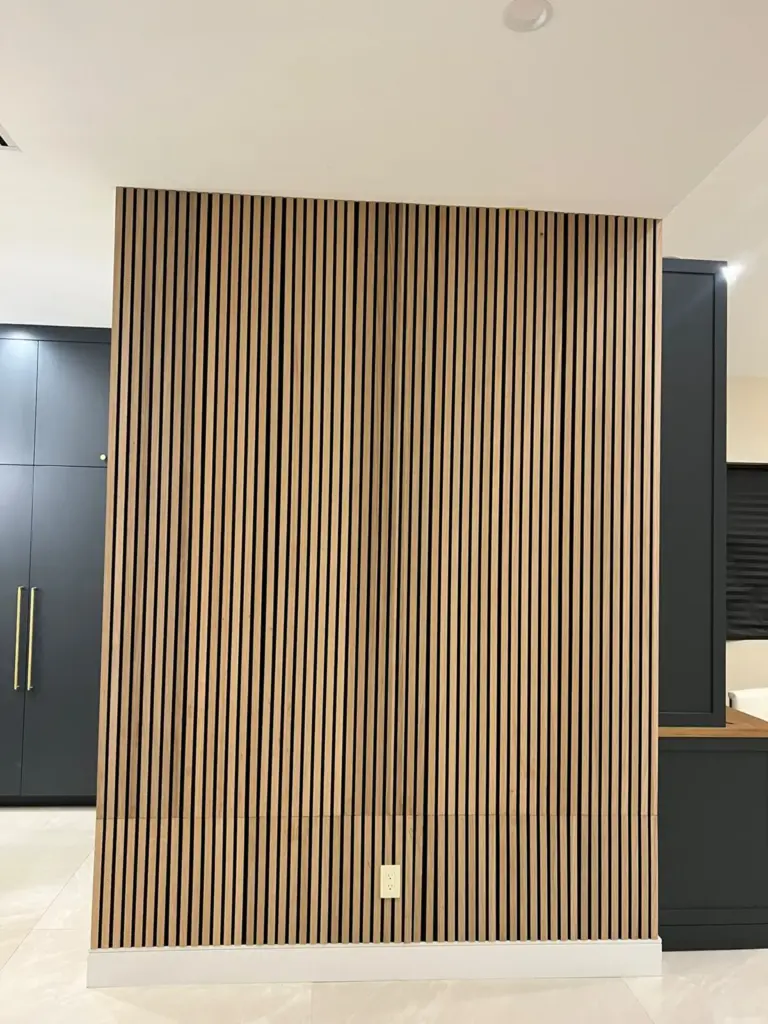
Wooden wall panels are pre‑fabricated sheets or modules of solid timber, engineered wood, or reclaimed lumber designed to be affixed directly to structural walls or framing. Unlike traditional planks that require extensive labor, panels are typically cut to exact dimensions, pre‑finished with stains or clear coats, and equipped with hidden fastening systems.
- Eco‑friendly interior finish: Sourced from responsibly managed forests, panels sequester carbon and reduce the embodied energy of a building.
- Acoustic insulation: The natural density of wood absorbs mid‑frequency sound, improving speech privacy in offices and homes.
- Thermal insulation: Wood’s low thermal conductivity adds a thin layer of insulation, contributing to energy savings.
- Design flexibility: From reclaimed barn wood to sleek engineered veneer, panels can be customized for rustic, modern, or minimalist aesthetics.
Key Types of Wooden Wall Panels in 2026
Solid Timber Panels
Made from single‑piece boards, solid timber offers unmatched authenticity. Common species include oak, walnut, and cedar, each delivering distinct grain patterns and durability. According to the Forest Stewardship Council (FSC) 2026 audit, solid timber panels sourced from FSC‑certified forests have a 30 % lower carbon footprint than comparable composite products.
Engineered Wood Panels
Engineered options such as laminated veneer lumber (LVL) and cross‑laminated timber (CLT) combine multiple layers to improve dimensional stability. These panels resist warping and are ideal for high‑humidity environments like bathrooms, where moisture‑resistant finishes are required.
Reclaimed and Upcycled Panels
Reclaimed panels repurpose salvaged wood from demolition sites, providing a narrative of history while diverting waste from landfills. A 2025 study by the International Sustainable Construction Institute (ISCI) showed that projects using reclaimed wood achieve up to 25 % higher LEED point scores for materials reuse.
Installation Process: From Planning to Completion
Proper installation is critical to realizing the full performance of wooden wall panels. Below is a step‑by‑step guide that aligns with best practices from the WPC Wall Panel Guide 2026 and the PVC Bathroom Wall Panels 2026 Expert Guide.
- Surface Preparation: Ensure the substrate is clean, level, and dry. For masonry walls, apply a vapor‑permeable primer to improve adhesion.
- Layout Planning: Use a laser level to mark the starting point and verify that the first panel aligns with the floor or ceiling line. This avoids cumulative errors over large spans.
- Mounting System Selection: Choose between concealed clip systems, tongue‑and‑groove joints, or direct screw fastening. Clip systems enable faster installation and future panel removal.
- Panel Installation: Begin at the bottom corner, securing each panel with the chosen system while maintaining a 2‑mm expansion gap for seasonal movement.
- Finishing Touches: Apply a clear UV‑resistant coat or oil finish to protect against UV degradation and moisture ingress. Install molding or trim for a seamless appearance.
Performance Metrics: Acoustic, Thermal, and Structural
Data from the Acoustic Society of America 2026 report indicates that 15‑mm thick wooden panels achieve a sound transmission class (STC) rating of 35, comparable to lightweight acoustic plaster. Meanwhile, the U.S. Department of Energy (DOE) 2026 Energy Efficiency Study shows that adding a 10‑mm wood veneer can reduce heating demand by 3‑5 % in temperate climates.
Acoustic Advantages
The cellular structure of wood dampens vibrations, making panels ideal for open‑plan offices, conference rooms, and residential living areas. When combined with acoustic sealant at joints, STC can increase to 40, meeting many commercial building codes.
Thermal Benefits
Wood’s natural R‑value of roughly 1.25 per inch adds a thin insulating barrier without compromising interior space. In retrofit projects, integrating a 12‑mm panel over existing drywall can improve overall wall R‑value by 0.5, contributing to lower HVAC loads.
Cost Considerations and Return on Investment (ROI)
While the upfront cost of premium hardwood panels can exceed $80 per sq ft, the long‑term ROI is compelling. A 2026 case study by the Green Building Council demonstrated a 7‑year payback period for commercial spaces that leveraged wooden panels for both aesthetic value and energy savings. The reduced need for repainting—thanks to durable finishes—also cuts maintenance expenses by up to 30 % over a 20‑year lifecycle.
Comparative Analysis: Wooden Panels vs. Alternative Systems
Choosing the right wall cladding depends on project goals. Below is a concise comparison with other popular panel systems featured in our internal resources.
| Feature | Wooden Wall Panels | Steel Roof Panels | PVC Bathroom Panels | WPC Wall Panels |
|---|---|---|---|---|
| Material Sustainability | High (renewable, carbon‑sequestering) | Medium (recyclable steel) | Low (petroleum‑based) | Medium (wood‑plastic composite) |
| Acoustic Performance | STC 35‑40 | STC 20‑25 | STC 22‑28 | STC 30‑35 |
| Moisture Resistance | Depends on finish; engineered options excel | Excellent (non‑corrosive coatings) | Excellent (inherently waterproof) | Good (sealed core) |
| Installation Speed | Fast with clip systems | Fast, large sheets | Fast, snap‑fit | Moderate |
| Typical Cost (USD/sq ft) | $50‑$120 | $30‑$70 | $25‑$45 | $45‑$90 |
Real‑World Case Study: Boutique Hotel Revamp in Bali
In 2026, a boutique hotel in Ubud replaced its conventional plaster walls with reclaimed teak panels sourced from local decommissioned villas. The project achieved:
- 30 % reduction in interior lighting power due to the panels’ warm reflectance.
- LEED Gold certification, primarily for material reuse and indoor environmental quality.
- Positive guest feedback: 92 % cited “natural ambiance” as a key satisfaction factor.
The hotel’s owner credited the Mortarless Stone Veneer 2026 guide for inspiring a mixed‑material approach that blended stone and wood for a cohesive resort aesthetic.
Common Installation Mistakes and How to Avoid Them
Ignoring Expansion Gaps
Wood expands and contracts with humidity changes. Failing to leave a 2‑mm gap can lead to panel buckling. Use spacers and sealants that accommodate movement.
Improper Fastening
Over‑tightening screws crush the wood fibers, reducing structural integrity and creating stress points. Follow manufacturer torque specifications—usually 1.5 Nm for softwoods.
Insufficient Surface Preparation
Installing on uneven or damp substrates causes panel delamination. Conduct moisture testing (target < 12 % RH) and apply a primer where needed.
FAQ: Quick Answers for Professionals
What is the lifespan of wooden wall panels?
When properly sealed and maintained, panels can last 25‑40 years. Refinish cycles (every 8‑12 years) extend life further.
Are wooden panels suitable for high‑humidity areas?
Engineered wood with moisture‑resistant finishes is recommended for bathrooms and kitchens. Pairing with a vapor barrier ensures durability.
Can wooden panels be recycled at the end of their service life?
Yes. Panels made from FSC‑certified timber can be reclaimed or down‑cycled into composite flooring or bio‑fuel, aligning with circular economy principles.
Do wooden panels meet fire safety codes?
Most panels are treated with fire‑retardant chemicals that achieve Class B or C fire ratings, compliant with NFPA 285 (2025 edition). Verify the specific rating for each product.
Future Trends: What to Expect in the Next Five Years
Advancements in bio‑based adhesives and nano‑coatings are set to boost panel durability while further reducing VOC emissions. By 2028, smart panels embedded with IoT sensors could monitor humidity, temperature, and structural health, feeding data directly to building management systems.
Conclusion: Making an Informed Decision
Wooden wall panels deliver a compelling blend of sustainability, acoustic comfort, and timeless aesthetics. When paired with proper installation techniques and high‑quality finishes, they offer a competitive ROI compared to steel, PVC, or WPC alternatives. For architects, designers, and facility managers seeking an eco‑friendly yet performance‑driven solution, wooden panels are a strategic choice that enhances both the visual narrative and the operational efficiency of any built environment.
Explore further insights on complementary cladding systems in our Steel Roof Panels 2026 guide and the Bathroom Wall Panels 2026 Ultimate Guide.
For a deeper dive into wood’s environmental impact, see the Wikipedia article on Wood and the U.S. Green Building Council’s analysis of wood in construction.